I think just like about everyone else in the world this past year, my thoughts have been more fragmented. There has been a LOT going on! Especially so personally as I’ve been working and studying at the same time.
While writing is good, even cathartic, for my soul, my words have become less and had left me a bit parched (especially after writing long papers for my study!). But the sometimes slower pace of life, especially during lockdowns, has given me a chance to be present and connect with my inner world in ways more than I have for years.
And this has brought me back to my love of poetry.
What is it about a poem that says in one page such a huge story? It’s a pared down connection to the Great Conversation of life that often says more simply by being less. It gets to the heart of the matter in a way that leaves the reader to draw their own conclusions and have their own response to the words.
Powerful stuff.
I’ve been reading quite a bit of my favourite modern poet, Liezel Graham, who often writes from a supporting mental health perspective that has challenged me to do the same. That’s obviously close to my heart, too, since that’s what my studies are about!
I’m currently reading Devotions a collection of Mary Oliver’s poems. They’re stunning and I’ve been absorbing them a few pages at a time.
Someone asked me yesterday if I was still blogging and after I said, “Ummm nah, I haven’t for a while,” it reminded me that I still DO have a blog and I might as well start sharing some poems. (I might write other stuff, too. Who knows?)
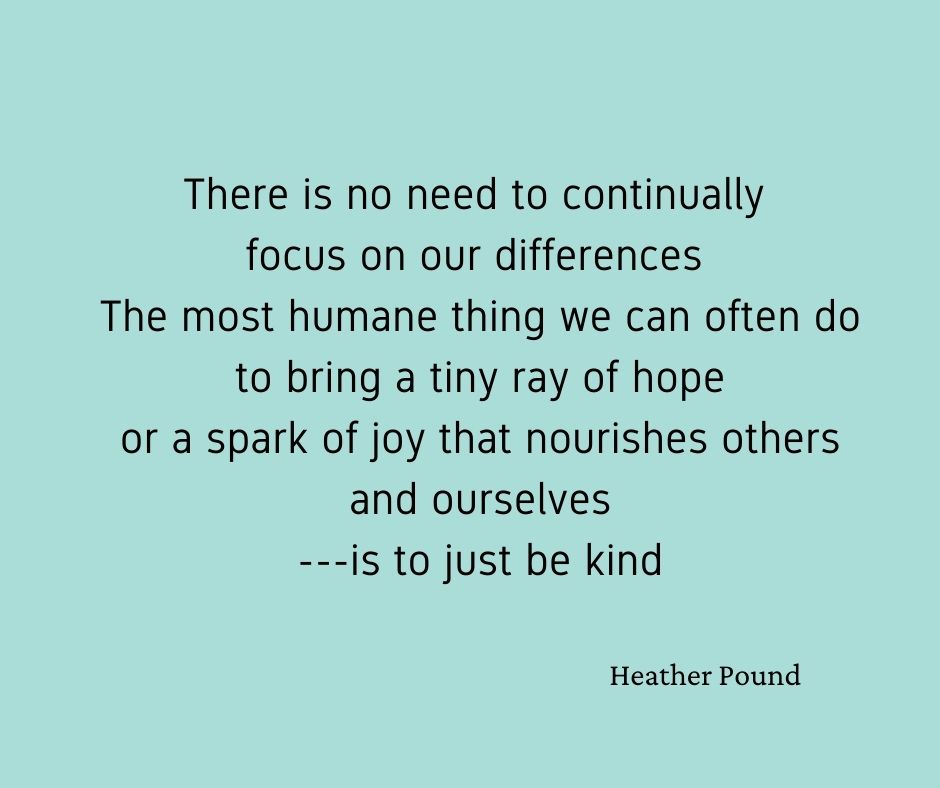
Hope is a huge theme for me, so I have picked this first one to share because, just like the tattoo on one of my daughter’s shoulders says, “There is always hope.”
~~~~~~~~~~~~~
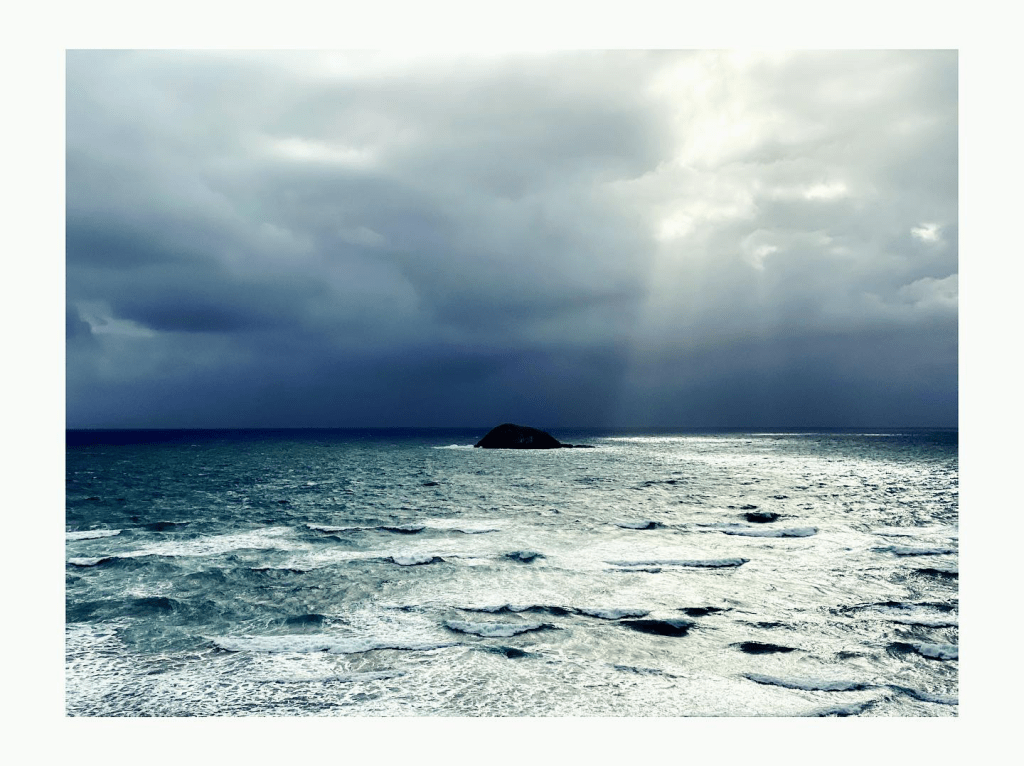
In the terrible night of our souls, when senses only find storm
We long to dull those senses, block out the pain
Roll into fetal— protect
But even though it hurts, more than we think we can bear
If we keep open our eyes, if only to squint
And take our hands from our ears, every now and again
We might be surprised
Because pain, the offender, doesn’t journey alone
Whether he brings them, or they have grasped onto him fierce
As if to say, “There is always hope.” There are gems
Things to refresh, like a cup of cold water to parched
A lucky find, they wait to be gathered
Things like healing, and life might be worth living, and kindness
If we grasp them in our hands to keep our ears uncovered
We might just begin to hear the song, under the surface, but louder grows
Of dreams, and longings, and the hope of beautiful things
That feed our soul in the darkness, instruct us in the deeper things of life
There are very few things that really upset me, I’m a (sometimes irritatingly so) naturally optimistic person. But these words in relation to a suicide attempt really chaps my hide. I want to say, “Do you really think they did that painful, awful, traumatic, shocking thing to themselves just for that?”
Years ago I spent the day with a beautiful lady whose husband had taken his life. She described her absolute shock as she was caught completely unaware. She knew he’d been ‘struggling a bit,’ but that was all. His every thought in taking his life was for her. He did it in the garage and made sure it would be easy to clean. He left a message on the answering machine to explain how much he loved her and how he knew that her life would be better without him. He called 911 before he did it so she wouldn’t be the one to find him.
I left the day forever changed in my assumptions of how things could go and what it was like to be the one walking beside.
-Photo credit: Danelle Moolman
A suicide attempt is a desperate response to an ongoing, agonising internal battle. It’s often a response to terrible, unbearable psychological pain, or a real, seemingly logical, belief that the world and the people that they love would be better off without them. It’s frequently not actually wanting to die— it’s just not wanting to live (Lickerman, 2010). It’s not attention seeking, but it might be the only way someone can think of to ask for help.
For various reasons, three different people who are part of my whole heart have tried to take their lives. Two I was present immediately after for, one I didn’t know about for years. While I have thankfully never reached the point of being suicidal myself, I have walked beside loved ones in significant pain and have learned a few things along the way.
-Photo credit: Danelle Moolman
First of all, if you are worried about someone ASK THEM. People often feel like they don’t want to put the thought of suicide into someone’s head, but studies clearly show that not only will it not move them towards suicide, but that you might just save their life by asking (Mental Health Foundation, 2020). If anything, allowing them to let their thoughts out of their heads into the light of day can allow them to begin a journey towards finding help and healing. Take them seriously. And believe them.
Secondly, BE THERE for them. Don’t try to solve their problems, don’t try to fix them, don’t judge them or minimise their distress. Listen to them. Love them. As I walked through the ER looking for a loved one who had just attempted, a nurse, who might as well have been an angel from Heaven (!), drew me close and said, “I’ve been where you’re standing. And no matter what you’re feeling right now, you’re going to take a deep breath, and walk into that room and just love them.” When I asked later how to support this person, a counsellor said that they would be having all sorts of conflicting emotions now including shame and would be, “Looking for holes in your (my) love.” Your person’s behaviour and mood might be all over the place and it won’t be easy, but be there. And consistently love.
-Photo credit: Danelle Moolman
Next, help them to HOPE. One of my people reminded me recently that when they sobbed that they had no hope left, I said, “That’s OK. I will hold it (hope) and keep it safe with me until you find it again.” I don’t really remember saying the words, but I do remember an instinctive wanting to scoop hope out of my own body to pour into theirs. And because I had no idea what else to do! Modelling that there is still hope is apparently a powerful tool and had a significant impact on my people at least. Believe that there is hope for them and hold onto it until they can believe it for themselves.
Know that it will take TIME, so look after yourself, too. There isn’t a quick fix for this. It’s not going to be over in a week, a month or maybe even a year. When someone you love is hurting, you’re in it for the long haul. As they’re growing in strength and healing, you need to keep your own energy up to stay the course with them. Find time to do what fuels you. Talk to a counsellor to process your own feelings. Exercise. Be still. And curate a support network if possible around your person so you don’t have to carry it all alone.
-Photo credit: Danelle Moolman
Don’t let OTHER PEOPLE’s opinions matter. People often want to place blame to make themselves feel more comfortable about an uncomfortable topic, but you don’t need to explain everything to everyone. Remember that your person who was suicidal has their own story and you need to help it remain private until/unless they want to share it themselves. Outsiders will have suggestions and might sincerely want to help, but you have the right to pick and choose who you will listen to and what you will pass on to your person or not. Their well-being is more important than your well-meaning acquaintance’s feelings.
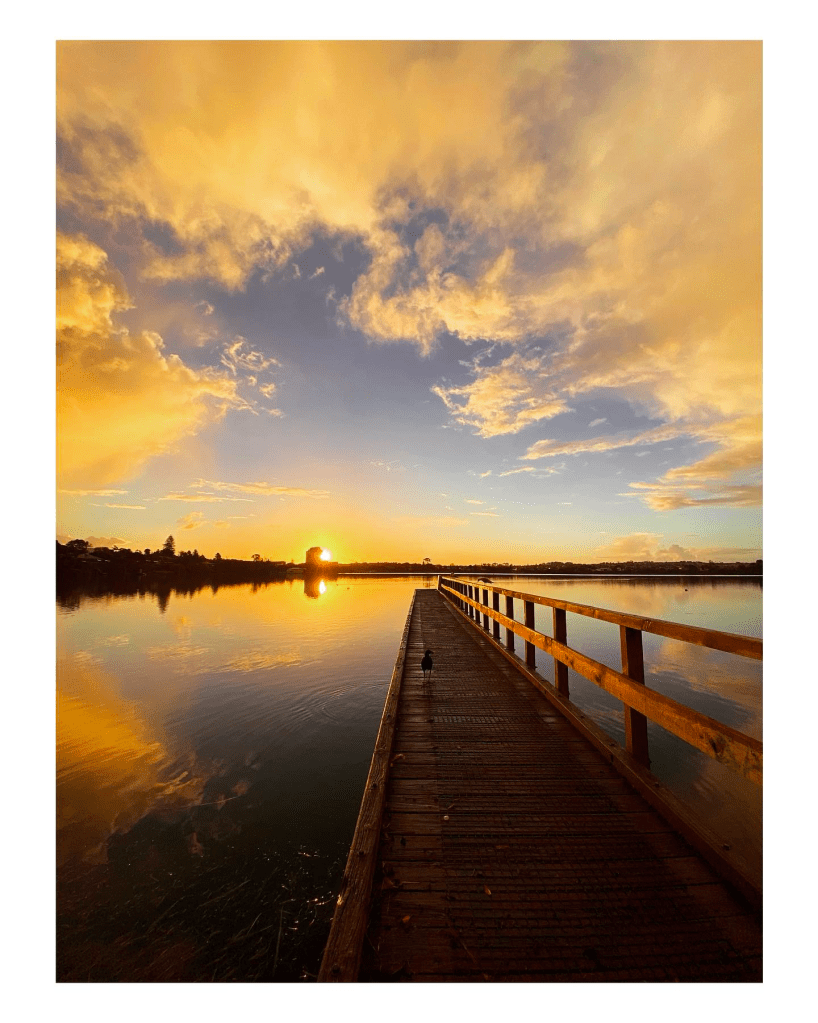
Finally, know that this is NOT FOREVER. Seasons change, Spring comes again, time heals wounds. Your loved one may struggle again later, but with the right support it will hopefully get less frequent and less severe. The sun will shine again and this too shall pass.
I look at my people now with awe at their growth and courage. They inspire me. And I am grateful every day that they are still here.
When I walked through the supermarket a couple of weeks ago and was greeted by empty shelves and people grabbing the last packet of –whatever– I wasn’t bothered. On some levels I feel like I’ve spent most of my life preparing for moments like this! My brain easily went to the, “Oh I can’t get this today so what can I do instead?” mode after years of uncertainty in grocery stores, open air markets and bazaars in the places that I’ve lived. I rose to that challenge quite easily, but was surprised later in the day when I found myself feeling jittery. What was that about? I had to stop and take stock.
I realised that although I didn’t find the lack of food on the shelves alarming, I was disturbed by the atmosphere I sensed in the store. The feelings of surprise, shock, panic and even suspicion swirling around me. Those feelings were quite familiar and took me right back to the 2000 coup in Suva, Fiji. Being at the house of someone whose husband worked at the Australian high commission while our kids played. Her husband calling and telling us all go to home and stay there. One of the ladies and her children came to our house instead since they lived close by the Parliament building and never went back to their home before they flew out a week later. (We found a hole in their window and a bullet on their bed when we went to pack up their things for them months later.) I remember the looting that happened at shops that night and the man who woke us at 2am throwing rocks through the windows of our van. The armed road blocks, the curfews, the unexpected lockdowns that were suddenly enforced, the months of rolling power cuts, the night of the military mutiny later where we heard gunfire and explosions all night long. All came back because of a feeling in the air in the store. When I recognised the source of what I was feeling, I was able to logically put the current situation in perspective and the jittery feeling left.
Our bodies remember trauma.
I had had a lot more life experience than this too before the panic attacks started in late January of 2007, including the sudden death of my husband at our home in Fiji six months before. So what started the panic attacksthen? A lot of unresolved things that had built up over the years, yes, but mostly just being worried about my children and their future. While living a couple of blocks away from my parents in the USA. In a beautiful little house (with no power or water cuts) and driving a comfortable mini van that I had been given. And knowing that I had enough money in the bank through the generosity of others for our near future.
There’s really no rhyme or reason in the conscious mind as to just when the unconscious mind chooses to scream, “I’ve had enough!”
Back to today. We’re living in a very strange, unprecedented period of time. We’re facing a lot of uncertainty and for the first time in my generation’s lifetime there’s nothing that we can do to just sort the collective problem. Scientists are working hard to find something to help us with this virus, but our economies are struggling and the future is uncertain. I’m still on the email list for the US Embassy in India and have been getting dire messages basically saying if you don’t leave NOW you’re here for the duration. The current lockdown in New Zealand isn’t fun for everyone, but I think of our friends in Kolkata who live ten people to one room and for the one million homeless in the city who don’t even have a door to shut to keep themselves safe or enough food for today–let alone for tomorrow. The ability to comfortably lockdown is a privilege.
So that leads me to the point of this blog today. I imagine that there are those of you who might recently have had your first panic attack. Or you might not be sleeping well. The walls of your home might be closing in on you a bit or you might be consistently trying to shove financial worries out of your mind. You might have an elderly relative that you hope is Ok, or you might have Asthma yourself. Or the unfamiliar situation might just be upsetting your kids and weighing you down. I hear you—–and what you’re feeling is valid! I didn’t bring up the poor in Kolkata just now to dismiss what you may also be feeling. My heart and prayers go out for them, but pain, is pain, is pain. And it’s not a competition.
For anyone who has been on the mission field or involved with people-helping professions you may have heard of Compassion Fatigue. Compassion Fatigue is basically the process of not valuing or looking after your own needs because you think that someone else’s needs are greater. This is something I fell prey to when we lived in a red light district in Kolkata. There were girls just up the road being forced to sell their bodies every night so how could I complain when I struggled with the heat, the dust, the noise or the heart-wrenching sights I saw around the city? I shoved it down instead. Did I have a right to even feel upset when it was THEIR pain every day???
We are experiencing an interesting phenomenon right now in that this is not just a problem ‘over there’ in other parts of the world. This is something that’s affecting us ALL. The news reports in other places aren’t as removed as usual and hit us right at home. I wonder if there are those who are shoving down their own feelings right now because you and those you love aren’t sick? You have a relatively peaceful home environment and enough food in your cupboards for the week?
My advice? Take those thoughts/feelings out sooner rather than later and let them breathe. Give them a chance to have their say. Use your rational mind to give them a little perspective and talk to God about them before you put them back for now. But let them out again before long.
If this blog is starting to sound too ‘self-helpy’ for you right about now, please don’t stop reading– because someone you’re close to might need you to help THEM today. (And my hope is that someone might not have to figure this stuff out along the way like I did.)
Distraction is an excellent tool and a great way to get through periods of stress, but we also need mindful reflection to actually address what’s going on in our minds and hearts. Use distraction, but don’t neglect mindfulness. Stop and listen to that birdsong (there’s a Tui going crazy outside of my window right now!), feel the sunshine on your skin, taste that piece of fruit, savour your morning coffee (if that’s your jam), and memorise again the faces of those that you love. Stop and breathe deep and slow a number of times per day.
If things get away from you and you feel panic coming on, your natural fight or flight instinct can kick in. What I find helpful is doing the opposite of that and rather than running from the anxiety, l-e-a-ning into it. Your body is your friend and it’s trying to communicate with you. Remember that! Respect your body and what it’s trying to tell you right now. When that first awful feeling of a panic attack starts you have a few seconds where you are still in charge before it sweeps you away. If you can, capture that moment when your chest gets tight and your heart begins to race and start your deep breathing and listen to your body. For me when I capture that moment, it’s like I feel the anxiety storm building and vibrating in my body, I note that it’s there, but then let it vibrate right out through my skin. Your experience might be totally different, but leaning into it works for many. I can count on one hand the amount of panic attacks I’ve had in the last 10 years using this method.
If you miss those moments and an attack sets in, ‘grounding’ your senses often helps. Put your feet flat on the floor so you feel it or lay flat on your back, notice: 5 things that you see, 4 things you can touch, 3 things you can hear, 2 things you can smell and one thing you can taste. Repeat this until you’re feeling better. Have things that you know speak to you ready in your mind for times like these. “God has not given me a spirit of fear but of power and love and a sound mind” (2 Timothy 1:7), is something I have played on repeat when needed. Hold the hand of someone else or put one hand across and under your opposite armpit and the other hand across to the opposite shoulder to feel the ‘container’ that you’re in. And don’t forget to remember that your body is actually your friend–even if it doesn’t feel like it right now!
There are so many stories that go on in our heads that form the basis of who we are and how we relate to the world around us. Sometimes letting those stories out and hearing them out loud by talking to a trusted friend is all that we need to make sense of things and take back power over our own thoughts. Addressing what is troubling you is waaaay more effective than shoving it down and ignoring it. Not matter how much you try to bury it, it’s still ‘talking’ to you. De Nile is a river in Egypt—not something that’s at all helpful for you!
Whatever you do remember that you are not an island—and ask for help! There are many counsellors out there taking appointments over Zoom right now even while we can’t get together in person. Talking to someone else isn’t weakness, in fact it takes a huge amount of courage!
Put good stuff into your mind throughout the day. “Whatever is true, whatever is noble, whatever is right, whatever is pure, whatever is lovely, whatever is admirable–if anything is excellent or praiseworthy–think about such things” (Philippians 4:8). It can feel good in the same way that scratching a scab might be to check the news 20 times a day or watch a really scary movie, but is that what’s actually best for your well-being? Limit your caffeine and sugar intake as these can add to your anxiety. Get some exercise every day! This has been scientifically proven to be as effective as medication for many. But if you’re just not coping, talk to your doctor as your system might benefit from some support at least for a time.
And last but definitely not least, don’t forget your spirit. Talk to God, do the things that you know bring you close to him. Our pastor recommended an app called ‘Lectio 365’ that is just awesome. It’s about a ten minute audio daily devotional delivered in a really reflective way giving you space to respond as it goes.
God is big enough to handle the hard questions you may have for him right now too— and he might just want to show you a bit more of his heart for you and the world around you in the process. This is his world. He sees and knows what’s happening here. He also sees and knows YOU. He knows what makes you tick and what you may be going through right now.
The Lord is my light and my salvation— whom shall I fear? The Lord is the stronghold of my life— of whom shall I be afraid?
When the wicked advance against me to devour me, it is my enemies and my foes who will stumble and fall. Though an army besiege me, my heart will not fear; though war break out against me, even then I will be confident.
One thing I ask from the Lord, this only do I seek: that I may dwell in the house of the Lord all the days of my life, to gaze on the beauty of the Lord and to seek him in his temple. For in the day of trouble he will keep me safe in his dwelling; he will hide me in the shelter of his sacred tent and set me high upon a rock.
Then my head will be exalted above the enemies who surround me; at his sacred tent I will sacrifice with shouts of joy; I will sing and make music to the Lord…
…I remain confident of this: I will see the goodness of the Lord in the land of the living.
Wait for the Lord; be strong and take heart and wait for the Lord.”